Will an AI Detector Flag Your College Essay?
You wrote your college essay yourself. Then you use ChatGPT to shorten a few paragraphs, improve the wording or stay within the 650-word limit.
Out of curiosity, you ran the final version through an AI detector.
One tool said it was written by a human. Another marked parts of it as AI-generated. A third called it “mixed.”
Now you are wondering: Can this hurt my application?
AI detectors are not always accurate
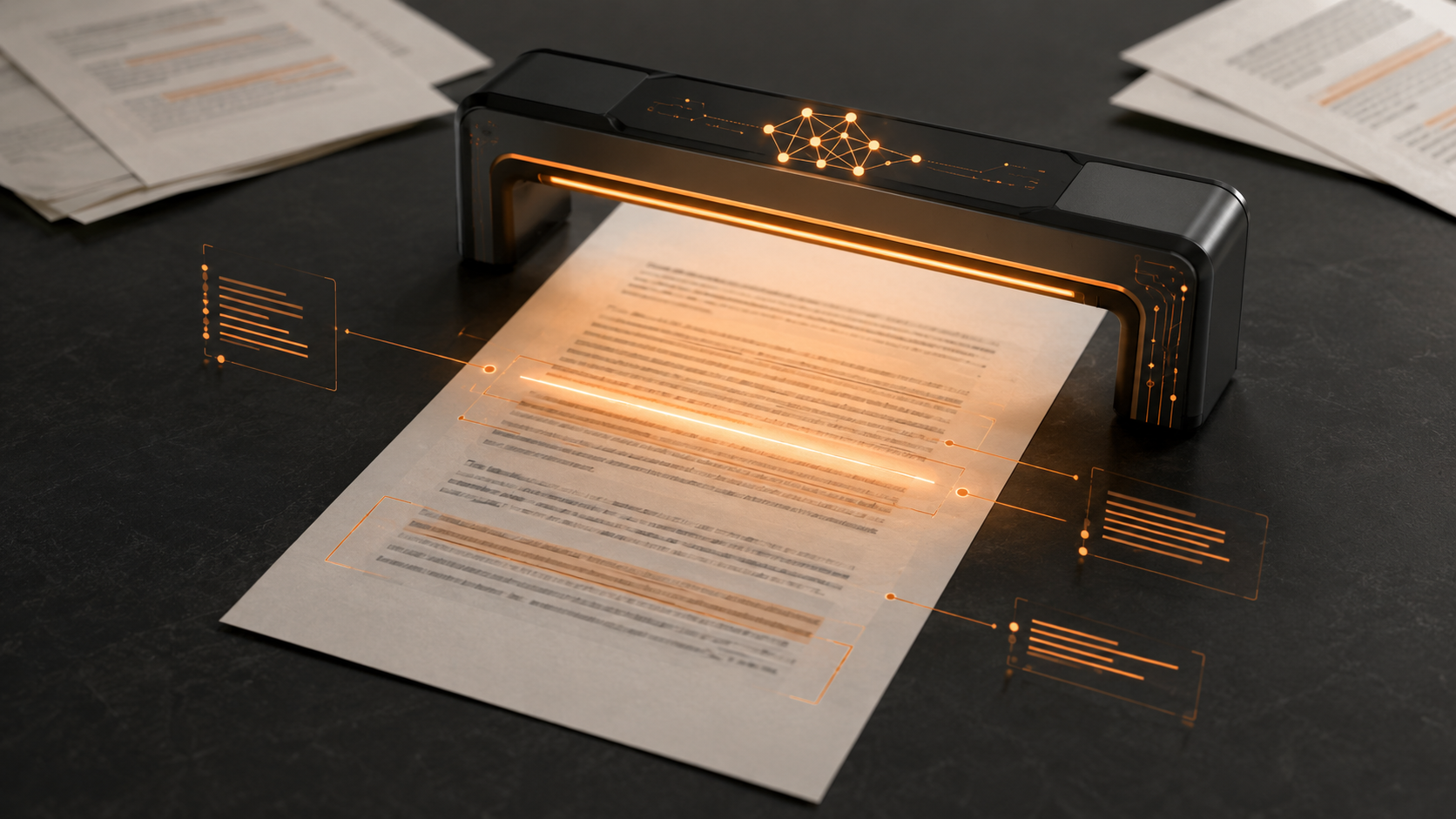
AI detectors look for patterns commonly associated with generated writing. They do not actually know who wrote a text or how it was created.
Human writing can be flagged, especially when it is polished, structured or grammatically consistent. Different tools may also produce completely different results for the same essay.
Even OpenAI has stated that its research did not find AI detectors reliable enough to make judgments that could have lasting consequences for students. Turnitin also acknowledges a greater possibility of false positives in lower detection ranges. (OpenAI,Turnitin)
That means a detector score should not be treated as proof that an essay was written by AI.
The real question is who created the essay
College application policies focus less on a random detector percentage and more on whether the ideas and writing genuinely belong to the applicant.
TheCommon App fraud policy states that submitting the substantive output of an AI platform as your own work may be considered fraud. Some universities have adopted similarly strict policies. Yale, for example, warns applicants against submitting personal statements composed by text-generating software.
But using a tool to catch grammatical mistakes is not the same as asking it to invent your story. Receiving feedback from a parent, teacher or counselor is also a normal part of the writing process. The important distinction is whether the experience, perspective and final decisions remain yours.
A detector score is not the best way to evaluate your essay
Instead of repeatedly scanning your essay, ask yourself:
Did I choose the topic and write the original draft?
Are the experiences and reflections completely true?
Does the final version still sound like me?
Can I explain why I included every idea and sentence?
Did AI assist with minor editing, or did it replace my writing?
If you can confidently explain and defend your essay, a contradictory detector result should not automatically send you into panic.
It is also helpful to keep your early drafts and revision history. They show how your essay developed and can help you identify when editing has changed your natural voice too much.
Your voice matters more than perfect wording
Admissions officers are not looking for the most sophisticated essay in the application pool. They want to understand how you think, what matters to you and what you may contribute to their community.
An essay can be grammatically perfect and still reveal very little about the student. It can also contain simple language and be memorable because the perspective feels honest and specific.
Before submitting, read the essay aloud. If certain sentences sound like something you would never naturally say, rewrite them in your own words.
The goal is not to make your essay “pass” every AI detector. The goal is to submit something truthful, personal and unmistakably yours.
Not sure whether your essay still sounds like you? Misstudy can help you strengthen your writing while protecting the voice and story that make it personal.